
Plano, TX · Collin County · Open 24/7
Water Damage Restoration Plano, TX
Water Damage Restoration Plano provides 24/7 emergency water damage restoration for homes and businesses across Plano, TX: water extraction, structural drying, mold prevention and repairs. Call now and a local crew will be on the way.
Free inspection · A real person answers 24/7
● 24/7 Emergency Response
● Water Extraction & Drying
● Homes & Businesses
● Documented for Your Insurance Claim
What we handle
Water damage cleanup services in Plano
Every job is different, but the goal is the same: get the water out, get the structure dry to a measured standard, and put your home or business back the way it was. Pick the situation closest to yours for a detailed breakdown.
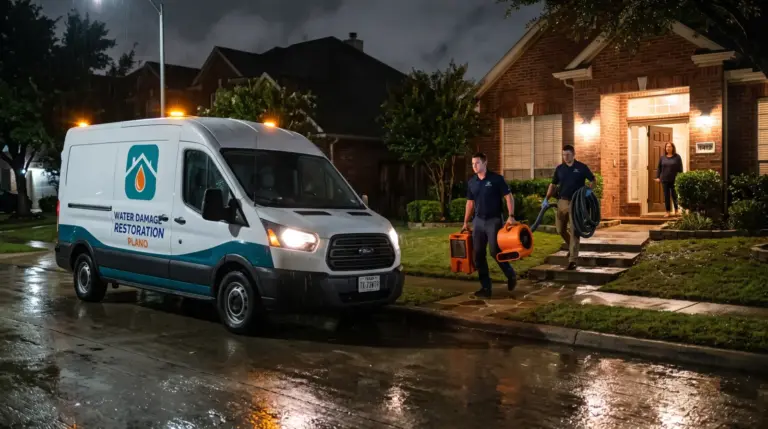
Emergency Water Damage Restoration
Round-the-clock response when water is actively spreading, shut-off, extraction and stabilization the same night.
Emergency service →
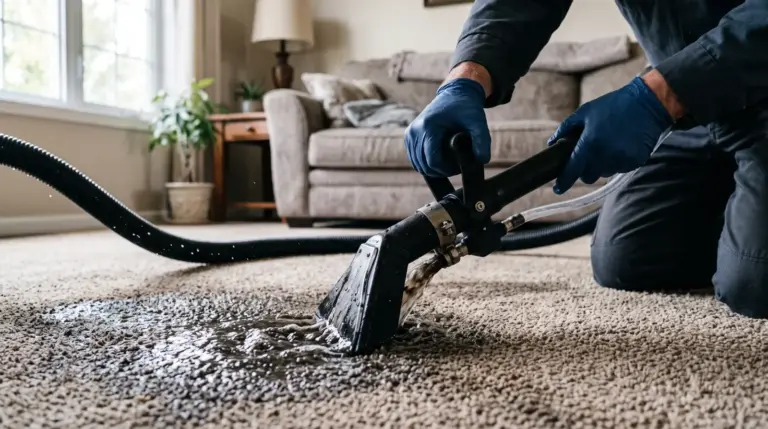
Water Extraction
Truck-mounted and portable extractors pull standing water out of carpet, pad, tile and hardwood before it wicks into drywall.
Water extraction →
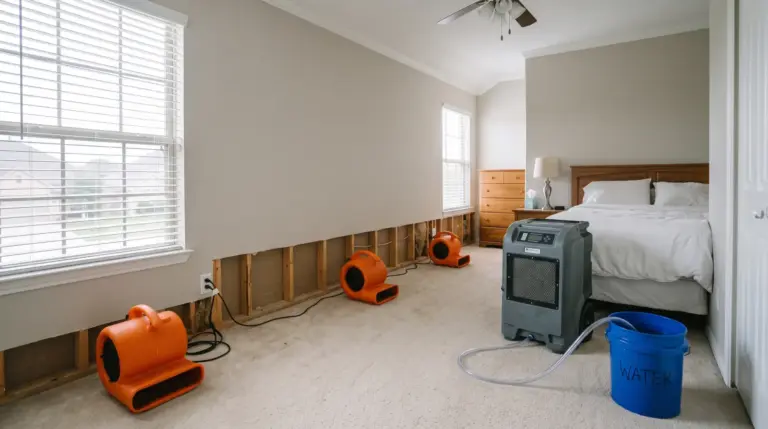
Structural Drying
Dehumidifiers, air movers and daily moisture readings until walls, subfloor and framing are back to normal dry levels.
Structural drying →
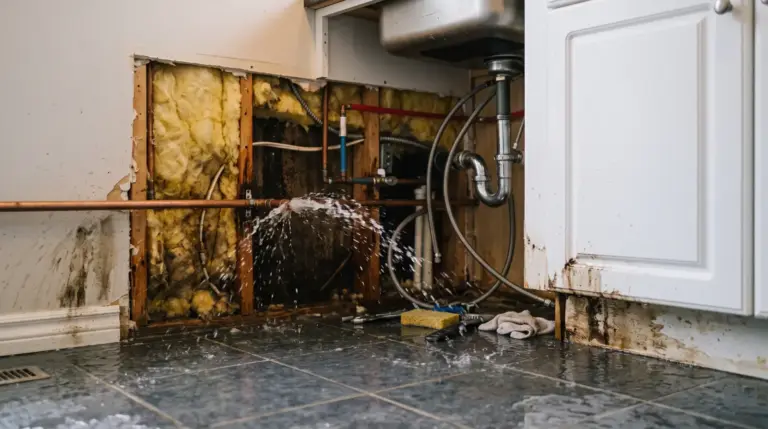
Burst Pipe Cleanup
Supply-line and slab-leak water moves fast. We find where it travelled, cut out what can't be saved and dry the rest.
Burst pipe cleanup →
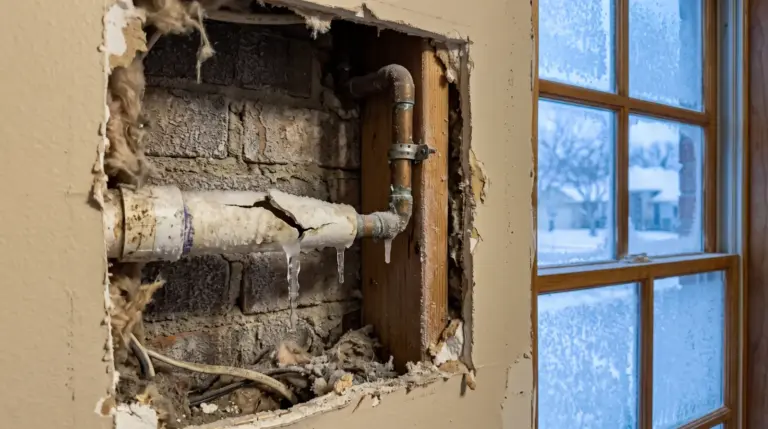
Frozen Pipe Damage
Hard freezes split pipes in exterior walls and attics. What to do while you wait, and how we dry it out properly.
Frozen pipes →
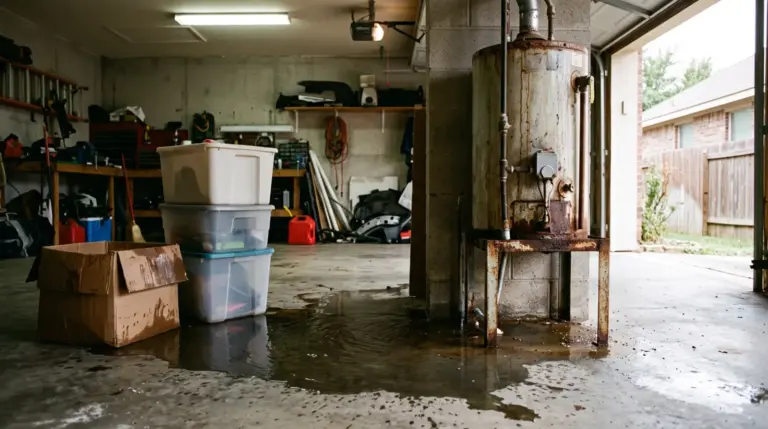
Water Heater Leaks
Garage, closet and attic water heaters can dump 40–50 gallons plus a constant supply feed. Fast cleanup limits the spread.
Water heater floods →
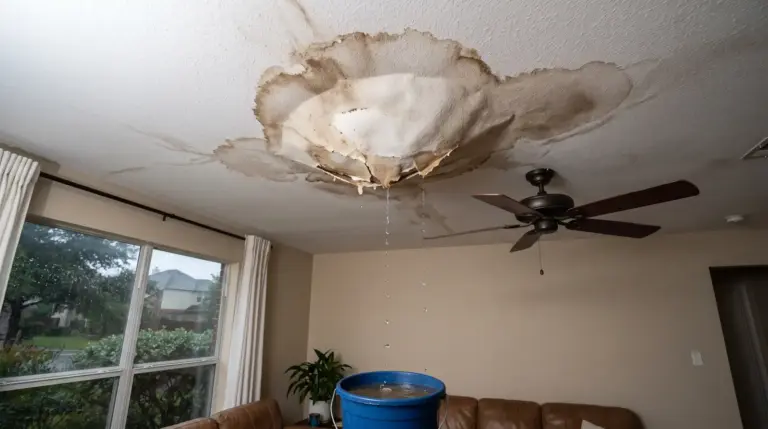
Roof Leaks & Ceiling Damage
Stained, sagging or dripping ceilings after a storm. We dry the attic, insulation and drywall, not just the stain.
Ceiling water damage →
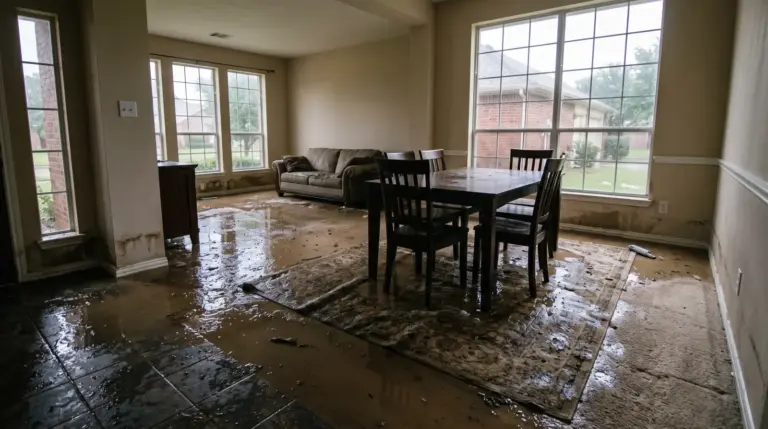
Flood Restoration
Heavy-rain runoff and rising water through doors and slabs, treated as contaminated water with proper sanitizing.
Flood restoration →
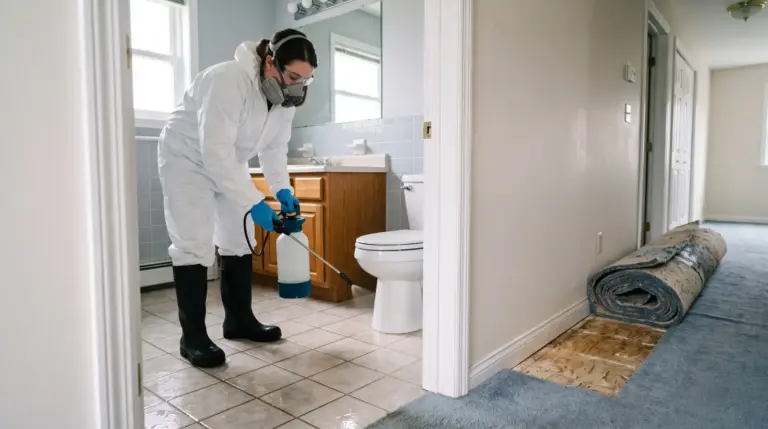
Sewage Cleanup
Toilet overflows and sewer backups are Category 3 black water. Protective gear, removal of affected materials, disinfection.
Sewage cleanup →
Need help with a home or a business? See residential water damage restoration for houses, townhomes and condos, or commercial water damage restoration for offices, retail, restaurants and multi-family buildings.
How it works
Our water damage restoration process
Restoration follows the IICRC S500 standard used across the industry. Here's what happens from the moment you call, and why each step matters for your home, your health and your insurance claim.
01
Call & stop the source
A real person answers 24/7, walks you through shutting off the water and power to wet areas, and dispatches a crew. If the leak is still running when we arrive, stopping it comes first.
02
Inspect & map the moisture
Water travels under baseboards, through wall cavities and across slab floors. Moisture meters and thermal imaging show where it actually went, not just where it's visible, and every reading is photographed for your adjuster.
03
Extract standing water
Extraction removes far more water than evaporation ever can, so this is the step that shortens the whole job. Carpet pad that's soaked is usually pulled; carpet itself can often be saved with clean water.
04
Dry, dehumidify & monitor
Commercial dehumidifiers and air movers run around the clock. We come back to take readings and adjust equipment until materials hit their dry standard, typically three to five days for a clean-water loss.
05
Clean, sanitize & restore
Affected surfaces are cleaned and treated with antimicrobial to prevent mold. Then drywall, baseboards, insulation and flooring that had to come out are replaced so the space is back to normal.
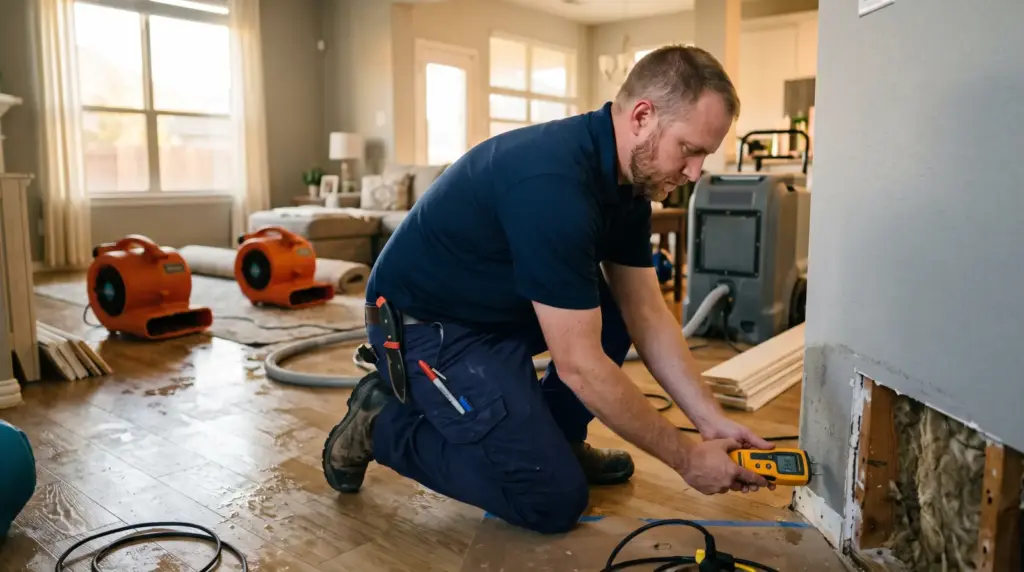
Dry is measured, not guessed
We don't pull equipment until moisture readings say the walls, floors and framing are back to normal. That's how we prevent mold and warped floors weeks later.
📞 Call 972-433-6160Before the crew arrives
What to do in the first hour after water damage
Mold can start growing on wet drywall and carpet within 24 to 48 hours. The steps you take before we get there make a real difference to how much can be saved.
Call 972-433-616001
Stop the water
Close the main shut-off. In most Plano homes it's in a box near the curb or in the garage. For a water heater, close the cold-water valve on top.
02
Cut the power
Switch off breakers for wet rooms, but only if you can reach the panel without standing in water.
03
Move valuables
Lift electronics, rugs and keepsakes off wet floors. Put foil under furniture legs to stop stains.
04
Take photos
Photograph and video everything before it's moved or thrown out. Your insurer will ask for it.
05
Skip the shop vac
Don't vacuum standing water with a household vacuum, and don't turn on lights under a wet or sagging ceiling.
06
Avoid sewage water
If it came from a toilet or drain, keep kids and pets away and let a professional handle it.
Local knowledge
Why water damage in Plano homes is different
Plano's housing stock, soil and weather create a few very specific water problems. Knowing them is how we find the damage that a quick visual check misses.
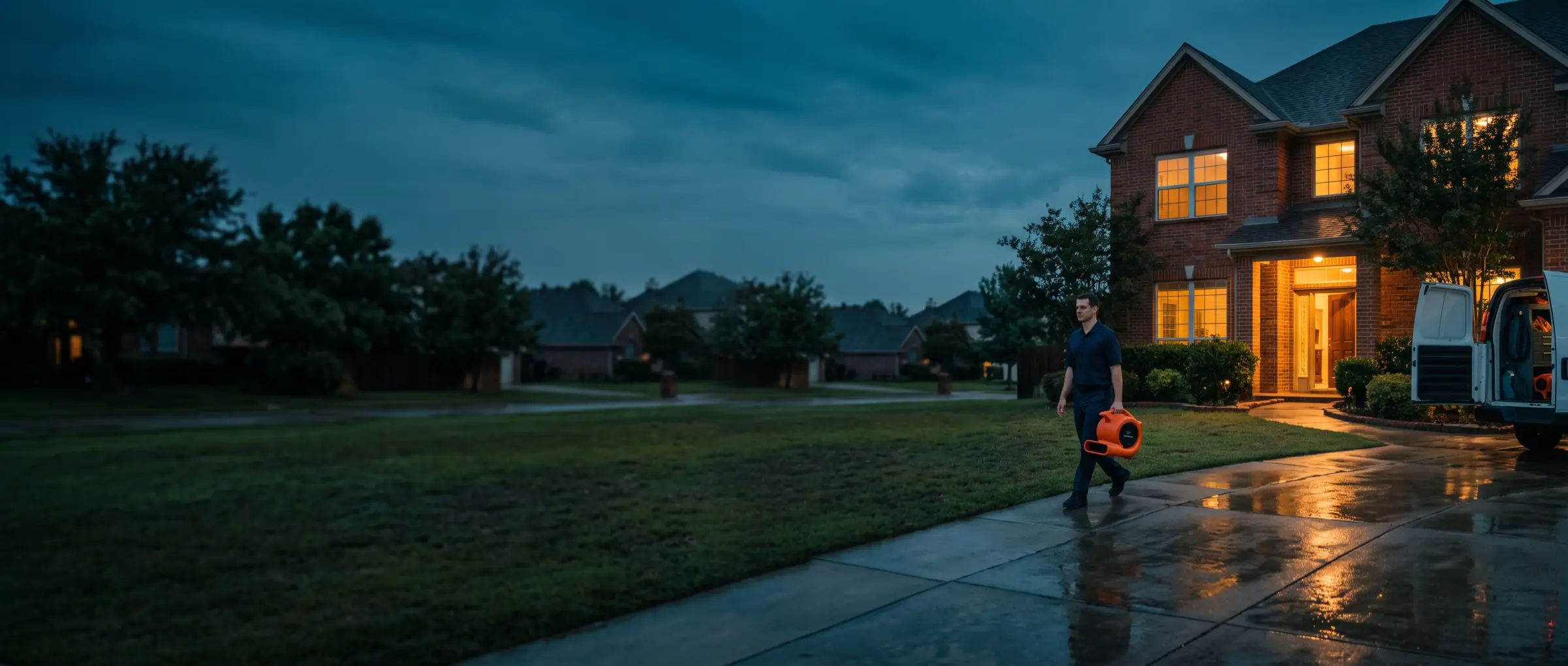
Slab foundations & clay soil
Nearly every Plano home sits on a concrete slab over expansive North Texas clay. As the soil swells and shrinks, plumbing under the slab can crack. Slab leaks push water up through flooring and into walls from below, often for weeks before anyone notices a warm spot or a jump in the water bill.
Hard freezes
Winter Storm Uri in February 2021 burst pipes in thousands of DFW homes. Plano houses aren't built for sustained sub-freezing weather, so lines in exterior walls, attics and garages are the first to split. Most of the water shows up when it thaws and the pressure comes back.
Attic & garage water heaters
Many North Texas homes put the water heater in the attic or garage. When an attic tank fails, water runs straight through the ceiling below. A tank past 10 to 12 years old, a rusty base or a dripping relief valve are the warning signs.
Spring storms & hail
Collin County sees heavy spring thunderstorms and hail that crack shingles and lift flashing. Roof leaks soak attic insulation first, so a small ceiling stain usually means a much bigger wet area above it.
Know what you're dealing with
The 3 categories of water damage
The type of water decides what can be dried and saved and what has to be removed. It also shapes your insurance claim.
Category 1 · Clean water
From a supply line, burst pipe or faucet. Most materials can be dried in place if work starts quickly.
Category 2 · Gray water
From a washing machine, dishwasher or water heater sitting in sediment. Needs cleaning and antimicrobial treatment. Clean water left 48+ hours turns gray.
Category 3 · Black water
Sewage, toilet overflows and outdoor floodwater. Porous materials like carpet and drywall it touched are removed and disposed of.
Insurance
Will homeowners insurance cover it?
Most Texas homeowners policies cover sudden and accidental water damage, such as a burst pipe, a failed water heater or an appliance line that lets go. They usually exclude gradual leaks and outside flooding, which needs a separate flood policy. Sewer backup is often an add-on endorsement.
Our crews document every room with photos, moisture readings and drying logs, which gives your adjuster what they need to process the claim. Call your insurer to open a claim, but don't wait for an adjuster before starting mitigation: your policy expects you to prevent further damage.
Straight answers
Water damage restoration FAQs
Still unsure? Call 972-433-6160. We'll answer your questions whether or not you book.
How much does water damage restoration cost in Plano?
Cost depends on how much area is wet, the category of water, how long it sat, and whether drywall, flooring or cabinets need to be replaced. A small clean-water leak caught early costs a fraction of a sewage backup or a leak that ran for days. We give you a written estimate after the inspection. If the loss is covered by insurance, you're typically responsible only for your deductible.
How fast can you get to my property?
We're based on W Parker Rd in Plano and dispatch crews 24/7, including nights, weekends and holidays. When you call, we'll give you an arrival window based on where you are and the crews on the road.
How long does it take to dry out a house after water damage?
Most clean-water losses take three to five days of drying, confirmed with daily moisture readings. Hardwood, plaster, or water trapped under cabinets and tile can take longer. Rebuild work like drywall, paint and flooring comes after the structure is fully dry. See our structural drying page for details.
Can mold grow after a leak, and how do you prevent it?
Yes. Mold can start growing on wet drywall, carpet pad and wood within 24 to 48 hours. Fast extraction, aggressive dehumidification and antimicrobial treatment of affected surfaces are what stop it. That's why waiting for the water to dry on its own is the most expensive option.
Should I call my insurance company or a restoration company first?
Do both, the same day. Your policy requires you to take reasonable steps to prevent further damage, so starting mitigation right away protects your claim. Open the claim with your insurer, then let us document the damage with photos and moisture logs that your adjuster can use.
Can wet carpet be saved?
Often, yes, if the water was clean and extraction starts quickly. The pad underneath usually has to be replaced because it holds water like a sponge. Carpet touched by sewage or floodwater (Category 3) can't be safely saved.
Can I stay in my home during restoration?
Usually. With clean-water damage, most families stay home while drying equipment runs in the affected rooms. The equipment is noisy and runs around the clock. With sewage, or if the HVAC system is contaminated, we'll recommend keeping out of affected areas until they're cleaned.
Do you handle commercial properties too?
Yes. We work on offices, retail, restaurants, medical suites and multi-family buildings, and we can phase drying around your business hours to limit downtime. See commercial water damage restoration.
Service area
Serving every Plano neighborhood
From Historic Downtown Plano and Los Rios in the east to Willow Bend, Legacy and the Dallas North Tollway corridor in the west, plus Deerfield, Hunters Glen, Russell Creek, Preston Meadow and Gleneagles in between. We also help neighbors in Allen, Richardson, Murphy, Parker and Frisco.
ZIP codes: 75023 · 75024 · 75025 · 75026 · 75074 · 75075 · 75093 · 75094
Nearby cities we serve
Water Damage Restoration Plano
1937 W Parker Rd
Plano, TX 75023
Open 24 hours, 7 days a week